
 An independent think tank at the Riigikogu
 Foresight Centre is presenting scenarios for governance and the future of e-Estonia
Today, the Foresight Centre is holding the conference A Different Kind of Future in the Riigikogu Conference Hall, presenting studies conducted in the three fields of research of the Foresight Centre: productivity, (e-)governance, and labour market.
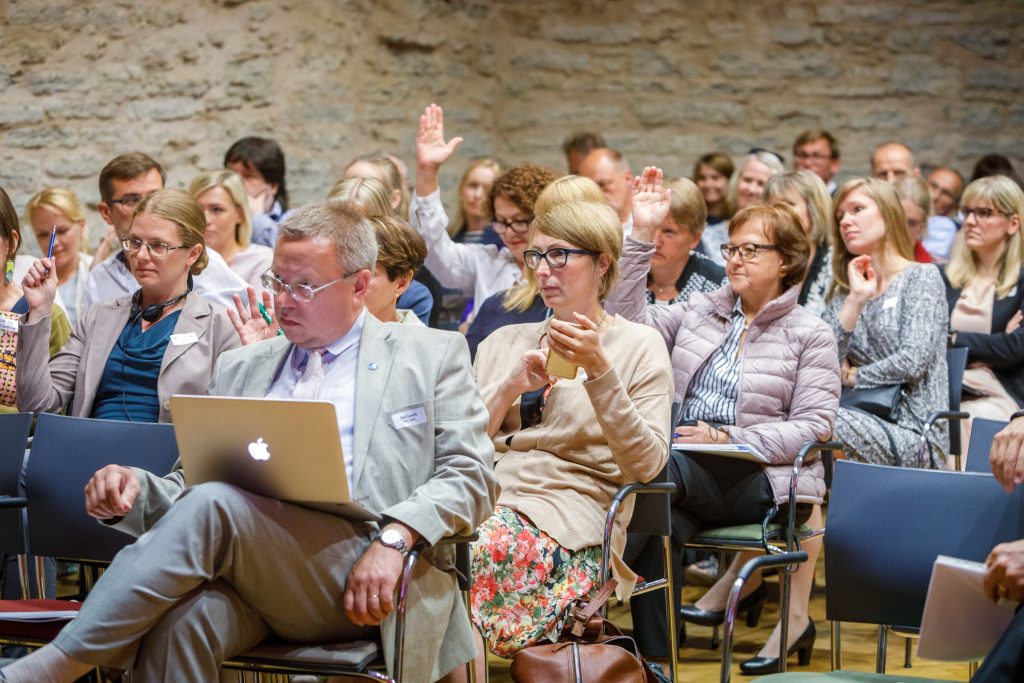
The Conference will offer the first opportunity to hear the final results of the Estonian (e-)governance study, as well as the governance and e-Estonia scenarios developed by the Foresight Centre.
Foresight Centre Director of Studies Meelis Kitsing said that the state reform debate in Estonia was lacking diversity. “This has led to a massive polarisation of the public opinion, and has made it difficult to find compromises. The debate often concentrates on topics of limited portent, such as how many members should there be in the parliament, or whether the President should be elected directly. These questions are not fundamental in ensuring that the governance is inclusive, efficient, and adaptable vis-a-vis the changes in the external environment,” Kitsing said.
The Foresight Centre is suggesting five governance and e-Estonia scenarios to broaden the public debate and identify important decision making opportunities when directing the future of Estonia. The scenarios highlight the pros and cons of different choices, and permit us to concentrate on the crucial dilemmas.
A Different Kind of Future conference will start at 9.20 a.m. today, June 13, in the Riigikogu Conference Hall.
Fact sheet Governance and e-state scenarios (in Estonian)
Latest news
-
18.08 2026Report: A fifth of ride-hailing and courier service providers are at a dead end of their careers
The Foresight Centre notes in its new short report, “Does Platform Work Support Careers?” that a fifth of people providing ride-hailing or courier services via platforms are at a dead end of their careers, working full-time in a field for which they consider themselves overqualified.