
 An independent think tank at the Riigikogu
 Webinar on Future of Maritime Trade
Maritime transport has been called the blood circulation of global economy – nine-tenths of the goods traded around the world are shipped by sea, and the shipping volumes grow along with the economic growth. What does future hold for shipping over the next decades, in view of the anticipated long-term developments in maritime economy, and the emerging risks?
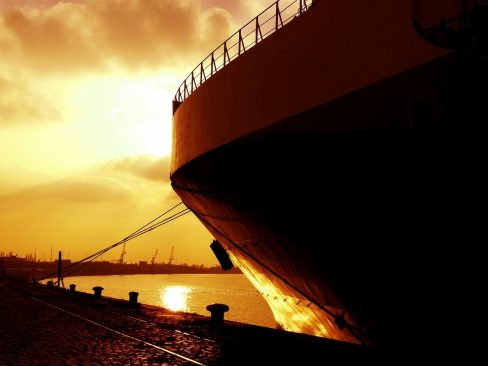
There has been talk about a possible slowing down or reversal of the globalisation trend in world economy, but what would this mean for maritime transport? Will the main trade routes remain the same around the world, or will we see new transport corridors emerge?
What kind of ships will sail on our oceans in twenty years’ time, what will they use for fuel, and how will they be steered? What are the implications of these global developments for shipping on the Baltic Sea?
At the webinar, we hear about the future of maritime trade over the next decades from Patrick Verhoeven, Managing Director of Policy and Strategy of the International Association of Ports and Harbours, and Assistant Professor at the University of Antwerp. Tõnis Hunt, lecturer at TalTech Estonian Maritime Academy presents his remarks on the topic.
The webinar is moderated by Sten Anspal, Senior Analyst at the CentAR Centre for Applied Research.
Latest news
-
03.08 2026Report: Estonia needs to be prepared for a working life spanning 45 years
Eurostat’s latest forecast shows that over the next fifty years, life expectancy in Estonia will rise to 85 years and expected working life may extend to 45 years. According to the Foresight Centre’s new short report, “Extending Working Life and Lifelong Learning”, a longer working life means that people will need to update their skills, change career paths, or learn new ways of working.