
 An independent think tank at the Riigikogu
 Future of Public Sector Governance and Digitalization
The Foresight Centre at the Estonian Parliament created five public sector governance scenarios for Estonia which paint different pictures of digitalization.
The scenario “Ad Hoc Governance” sees rapid digitalization in some areas as priority while other areas are left behind because of government budget constraints. The scenario “Nightwatchman State” is concerned about privacy and security concerns of excessive government digitalization while trying to use standardized approach for efficiency gains. The scenario “Entrepreneurial State” is about building up highly digitalized state for entrepreneurial purposes and enhancing digital government platforms globally by relying heavily on public-private collaboration. The scenario “Caretaker State” is about the massive use of digital technologies in preventing the spread of social ills and intervention for benefit of citizens’ well-being. The scenario “Networked Governance” pictures decentralized public sector governance with high degree of use of digital technologies by different actors. As a result digitalization on public sector is diverse and uneven.
Our current understanding may indicate that some of these scenarios are more or less likely depending the specific economic, social and political contexts. However, these scenarios do allow breaking-up linear logic in thinking about future and widening the view of potential futures of governance digitalization. The discussion of scenarios is followed by highlighting key trade offs for policy-makers.
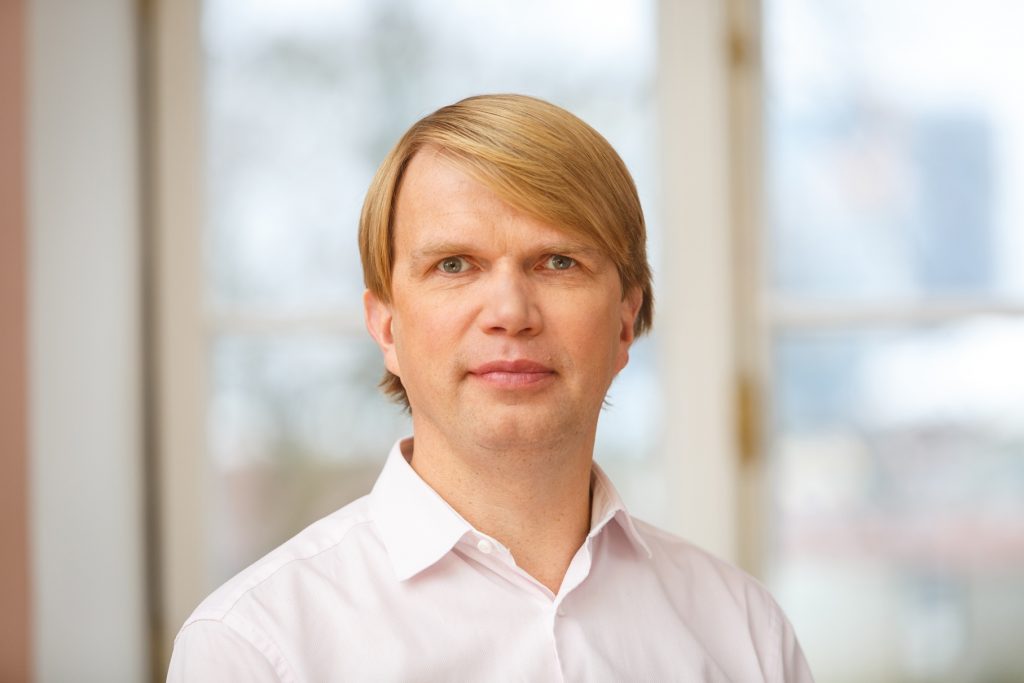
The article is written by Meelis Kitsing, Head of Research at Foresight Center at the Estonian Parliament, Full Professor of Political Economy and Chair of Economics and Finance Department at Estonian Business School.
Download the BSR Policy Briefing here.
Latest news
-
29.07 2026Foresight Centre to study the future of older people in the labour market
The Foresight Centre’s new research stream will focus on examining the types of lifelong learning systems Estonia will need in the future, given its ageing population. The report, which will be completed in the spring, shows key trends and possible scenarios in a situation where the working-age population is shrinking, working years are increasing, and the continuous updating of skills by older people is becoming more and more important.