
 An independent think tank at the Riigikogu
 Trends and the Future of Lifelong Learning

According to OECD projections, by 2060, the working-age population of OECD countries will decrease by an average of 8%, whereas in Estonia it will decrease by more than 30% (OECD 2025). WHO estimates that the proportion of people over the age of 60 will double worldwide by 2050 (WHO 2024). Estonia is moving in the same direction: according to Statistics Estonia, the proportion of people aged 65 and over will grow from the current 20% to 27% (Statistics Estonia). In addition, compared to many other countries, the number of healthy life years is relatively low in Estonia – people spend the last 20 years of life with-related health limitations (Statistics Estonia 2025).
The OECD finds that, in the future, the competitiveness of countries will increasingly depend on how long older workers, or so-called ‘silver workers’ (typically defined as those aged 50+), can be engaged in the labour market. The precondition for this is that healthy life years increase alongside rising life expectancy, that lifelong learning and updating of skills are accessible to everyone, and that employers create elderly-friendly workplaces with flexible work arrangements and adapted conditions. This is particularly critical in sectors already facing a severe shortage of top-level specialists, such as education, healthcare and engineering.
The same OECD analysis concludes that the state and employers must jointly fight against age discrimination, create elderly-friendly workplaces, and promote lifelong learning and labour mobility. It is crucial to focus on people in their fifties, as career choices and opportunities at age 50 largely determine the extent of professional activity after the age of 60.
An analysis by Kirsti Melesk and Märt Masso in the Estonian Human Development Report 2026 reveals that the lifelong learning participation rate in Estonia is higher than the European Union average (23.2% vs. 12.8%), with lifelong learning being most prevalent among highly educated women, aged 25–49. Adults with lower levels of education, people with reduced work ability and older men stand out for their very low participation rates. In other words, people who participate most in lifelong learning are those whose educational capital is already above average, while those who need it most participate the least.
The research stream “Trends and the Future of Lifelong Learning” identifies the main uncertainties and key factors shaping the future of lifelong learning in Estonia up to 2050.
The primary questions of the research stream are:
- How do the ageing of the population and the shrinking of the working-age population in Estonia affect the need for lifelong learning?
- What scenarios might emerge regarding the employment of older people and their lifelong learning in Estonia?
- What changes are needed to ensure the skills of workers aged 50+ remain up to date and to enable flexible further training and retraining throughout people’s lives?
People linked to the research
Research leader
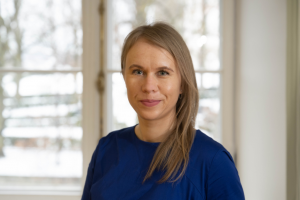 Eneli Kindsiko, PhD
Expert of the Foresight Centre
Eneli Kindsiko, PhD
Expert of the Foresight Centre News linked to the research
-
03.08 2026Report: Estonia needs to be prepared for a working life spanning 45 years
Eurostat’s latest forecast shows that over the next fifty years, life expectancy in Estonia will rise to 85 years and expected working life may extend to 45 years. According to the Foresight Centre’s new short report, “Extending Working Life and Lifelong Learning”, a longer working life means that people will need to update their skills, change career paths, or learn new ways of working.